Kebab food trucks in Wellington
Discover kebab and shawarma food trucks available to book in Wellington for your next event, party or celebration.
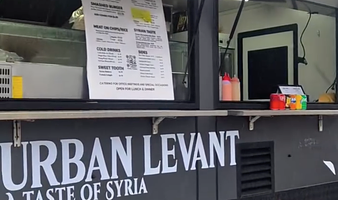
Kebab & shawarma trucks in Wellington bring big flavour to food truck dining
There is something wonderfully inviting about a food truck serving warm flatbread, fragrant grilled meat, crisp vegetables and generous spoonfuls of sauce. Before the first bite, there is already plenty to enjoy: the aroma of spices, the sound of cooking and the anticipation of a meal assembled just for you. Kebab and shawarma trucks bring all of this together in a format that feels relaxed, sociable and full of character.
In Wellington, that combination makes particular sense. A city known for its enthusiasm for good food and its famously changeable weather is a natural setting for meals that are warming, satisfying and easy to enjoy without a formal dining arrangement. Whether you are organising a celebration, planning workplace catering or exploring different styles of street food, kebab and shawarma trucks offer an appealing balance of comfort, freshness and excitement.
Exploring kebab and shawarma food trucks is a great way to discover how varied this style of mobile dining can be. A wrap might be the familiar starting point, but the possibilities extend to colourful bowls, grilled skewers, falafel, mezze-inspired sides and sharing-friendly menus.
Why kebabs and shawarma suit food trucks so well
The best food truck meals do more than taste good. They also need to work in a busy, informal setting, where guests might be standing, chatting or moving between activities. Kebabs and shawarma are especially well suited to that environment. Their components can be brought together into a substantial handheld meal, with bread providing a convenient home for meat, vegetables, pickles and sauces.
That does not mean every order has to look the same. A truck can build its menu around a relatively focused selection of ingredients while still offering plenty of choice. One guest might want chicken with garlic sauce and extra salad; another might prefer falafel, hummus and a little chilli. The result is personalisation without necessarily requiring an overwhelming menu.
There is also a satisfying sense of immediacy. Depending on the truck’s setup, guests may see meat being carved, skewers being grilled or flatbread being warmed. Watching the finishing touches adds to the pleasure of ordering and makes the food feel like part of the entertainment.
Understanding the difference between kebab and shawarma
Kebab and shawarma are often grouped together, but they are not interchangeable names for one dish. Kebab is a broad term covering a range of meat preparations, including skewered, grilled and rotating-spit styles. Different culinary traditions bring different seasonings, shapes, cooking techniques and accompaniments. On a food truck menu, a kebab might be served in bread, over rice or alongside salad.
Shawarma is generally associated with seasoned meat stacked on a vertical rotating spit and sliced as the outer layers cook. Its flavour can include combinations of spices such as cumin, coriander, paprika, turmeric, cardamom or cinnamon, although recipes vary considerably. Chicken, beef and lamb may feature, depending on the operator and menu.
For diners, these differences are part of the fun. Two trucks can serve meals that appear similar at first glance yet offer very different tastes. Bread, pickles, sauces, seasoning and cooking style all influence the experience. Asking how a particular menu is prepared can be a rewarding introduction to something new.
The appeal starts with aroma and ends with texture
A memorable kebab or shawarma meal is built on contrast. Warm bread meets cool vegetables. Tender meat sits alongside crunchy cabbage or cucumber. A creamy sauce softens the sharper edge of pickles, while chilli adds heat for anyone who wants it. Each ingredient contributes something, and the best combinations feel generous without becoming muddled.
This makes the category especially exciting in a food truck setting. The meal is not hidden away behind a formal dining ritual. You can often see the colours, smell the spices and choose the finishing touches at the service window. That small moment of interaction turns ordering into a pleasurable part of the outing.
Freshness matters just as much as richness. Tomato, parsley, onion, lettuce and other vegetables can bring brightness to a hearty filling. Lemon, pickled vegetables and tangy sauces can help balance savoury flavours. When those elements work together, the result is satisfying without depending solely on a large portion.
Why Wellington is a great fit for this style of street food
Wellington’s interest in food that has personality makes kebab and shawarma trucks an appealing addition to its mobile dining scene. These meals can be familiar enough to attract a wide audience while still offering plenty of room for distinctive recipes and thoughtful details. A carefully seasoned filling or particularly good flatbread can turn a straightforward lunch into something worth talking about.
There is a practical attraction too. A warm wrap is an inviting choice when the temperature drops or the breeze picks up. Compared with a meal spread across several open containers, a neatly wrapped kebab can be easier to manage outdoors. Bowls and plates remain appealing options where seating and shelter are available.
For Wellington event organisers, the flexibility is valuable. Kebab and shawarma trucks can suit casual gatherings and more structured occasions, provided the access, menu and service arrangements are appropriate. They bring a lively street food atmosphere without asking guests to navigate an unfamiliar dining format.
A customisable meal makes ordering more enjoyable
One of the great pleasures of kebab and shawarma dining is choosing the combination that suits your appetite. Some people want a generous helping of salad and a light touch of sauce. Others are looking for a hearty wrap with extra pickles and plenty of heat. A well-designed menu makes those preferences easy to express.
Customisation also gives groups something to talk about. There is always someone recommending a sauce, defending their favourite filling or encouraging a friend to try an unexpected combination. These small exchanges help make food truck dining sociable rather than purely functional.
For a busy event, however, unlimited choice is not always the best approach. A few clearly described signature options, with simple adjustments available, can be more enjoyable than a lengthy ordering process. Ask how the truck balances individual preferences with efficient service, especially if a large group will be ready to eat at the same time.
Vegetarian choices can be a highlight of the menu
Kebab and shawarma-style menus have plenty of potential beyond meat. Falafel can bring a crisp exterior, a soft centre and a satisfying combination of herbs and spices. Grilled vegetables, chickpeas, hummus and fresh salads can also create a substantial meal when they are treated as central ingredients rather than afterthoughts.
For mixed groups, it is worth looking for vegetarian and vegan options that sound just as appealing as everything else on the menu. A well-filled falafel wrap with crunchy vegetables, pickles and an appropriate sauce can easily become someone’s first choice, regardless of their usual eating preferences. Events with a particular focus on plant-based dining may also benefit from exploring vegetarian and vegan food truck options.
Always check the details rather than assuming a meal is suitable. Bread, sauces and preparation methods can affect whether an option is vegan, and shared cooking equipment may matter to some guests. Clear communication before the event helps everyone order with more confidence.
Wraps, bowls and plates offer different ways to enjoy the flavours
The wrap is a classic for good reason. It brings the ingredients together into a convenient package and gives bread an important role in the overall taste and texture. For an informal gathering where guests are moving around, it can be a particularly practical option.
Bowls and plates offer a different experience. Ingredients can remain more distinct, giving diners control over how they combine each mouthful. Rice, salad, grilled vegetables and dips can provide a generous base, while sliced meat or falafel becomes the centrepiece. These formats can work well when guests have tables or somewhere comfortable to sit.
A mixed-format menu may offer useful flexibility, but it is worth checking how it affects service. The best choice depends on the occasion rather than on one format being universally better. Consider the available seating, the likely weather and whether guests will be eating a full meal or enjoying smaller servings between activities.
Kebab and shawarma trucks make celebrations feel relaxed
Food trucks can change the rhythm of a celebration in an enjoyable way. Instead of everyone remaining seated for a fixed sequence of courses, guests can gather around the service area, compare orders and return to conversations with something delicious in hand. Kebab and shawarma menus are especially good at supporting that easygoing atmosphere.
They can work for birthdays, engagement parties, family gatherings and wedding celebrations where the hosts want substantial food without a formal restaurant feel. Depending on the menu and service plan, they may also suit a later food service, offering a warming meal after several hours of celebrating.
The important detail is timing. Agree whether everyone will eat within a short window or whether food will be served over a longer period. A truck that works beautifully for a steady flow of guests may need a different approach for a sudden rush. Clear planning keeps the experience relaxed for the people attending.
Workplace catering becomes something to look forward to
A kebab or shawarma truck can turn an ordinary workplace meal into a welcome shared experience. The food is approachable, the ordering process can be straightforward, and there is enough variety to keep the occasion interesting. Stepping away from desks to collect a freshly assembled lunch creates a natural opportunity for colleagues to talk.
For workplace events, convenience matters as much as flavour. Discuss how many meals need to be served, how long the lunch break lasts and whether staggered collection times would help. A short menu or pre-orders may be useful where the schedule is tight, although the right approach depends on the truck’s usual operating system.
Portion sizes deserve attention too. A filling lunch can be welcome without needing to be enormous. Offering a choice between a wrap and a bowl, where available, may help accommodate different appetites. Dietary requirements should be collected early enough for the food truck team to confirm what is practical.
Creating a varied food truck line-up without losing focus
Kebab and shawarma trucks can comfortably take centre stage, but they also work well within a wider food truck event. Their savoury, spice-led menus provide a clear identity, which makes it easier to choose complementary categories rather than several trucks offering almost the same experience.
For a straightforward pairing, consider something sweet after the main meal. Dessert and ice cream trucks can provide a playful second stop, with a contrasting range of textures and flavours. Keeping sweet and savoury service separate may also give guests more flexibility about when they eat.
When exploring a broader selection of food trucks, think about the event as a whole. The aim is not simply to maximise the number of menus. It is to create enough choice for the guest count, budget and available service time. A focused line-up can feel more generous and better organised than an overcrowded one.
Drinks can add another enjoyable layer
A richly seasoned wrap pairs naturally with a refreshing drink. Water should be easy to access, while other choices can add to the occasion. Citrus-led drinks, sparkling options and less-sweet refreshments can provide a pleasant contrast to savoury fillings and creamy sauces. The most suitable selection will depend on the menu and the audience.
For daytime gatherings or events that run into a cooler evening, coffee trucks can offer another welcome stopping point. A separate coffee service also gives guests a reason to linger and chat after eating, without needing to extend the main meal service.
For celebrations with a wider beverage plan, drinks and bar trucks may be worth considering. Where alcohol is involved, confirm the relevant permissions and responsibilities rather than assuming a mobile bar can operate under any circumstances. Food and drink arrangements should support each other, with sensible queue placement and enough space for guests to move comfortably.
Planning for Wellington weather keeps the experience enjoyable
Outdoor food is much more enjoyable when weather planning is part of the booking rather than an afterthought. In Wellington, wind deserves particular attention. Lightweight menus, loose napkins and open containers can become frustrating when conditions change, so the service setup should account for more than just the possibility of rain.
Ask about practical arrangements for queueing, collecting food and eating. Shelter can make a substantial difference, but any temporary structure needs to be appropriate for the conditions and safely secured. The truck’s position must also allow safe operation, suitable ventilation and clear access, rather than simply being chosen for convenience.
A wet-weather plan does not have to remove the food truck atmosphere. Guests might collect meals outdoors and eat in a sheltered space, for example, if the venue allows it. Confirm what is feasible with both the venue and the food truck team so everyone understands the arrangements before the event.
Dietary questions are best handled before the queue forms
A customisable menu can be helpful, but it does not automatically make every dietary request possible. Wheat-based bread, sesame in tahini, dairy in some sauces and other allergens may feature across kebab and shawarma menus. Recipes vary, so general assumptions are not a reliable guide.
If guests need gluten-free food, ask about both ingredients and handling. Choosing a bowl instead of a wrap does not by itself establish that the meal is suitable. The same care applies to food allergies: shared equipment, utensils and preparation areas can affect what the team can safely offer.
Similarly, do not assume that every kebab or shawarma menu is halal. Ask directly about the ingredients and preparation standards if this matters to your guests. Giving the team accurate requirements in advance is far more useful than asking for certainty during a busy service. Where a requirement cannot be accommodated, knowing early allows time to make another arrangement.
Small service details make a big difference
The most enjoyable food truck experiences often depend on details that guests barely notice. Clear menu descriptions help people decide before reaching the window. An obvious collection point reduces confusion. Sturdy wrapping and suitable containers make the first bite easier, while conveniently placed waste stations help keep the event comfortable.
Before booking, discuss the practical needs of the truck, including vehicle access, operating space, power arrangements and any venue requirements. Confirm the expected guest count, service duration and what happens if attendance changes. It is also useful to understand minimum charges, travel costs where applicable, and whether the quoted package includes sides or drinks.
Rather than asking only how quickly food can be served, describe how the event will run. A team can give more useful advice when it knows whether guests will arrive gradually, break for lunch together or eat between scheduled activities. Good service planning protects the fun by keeping avoidable uncertainty out of the queue.
Build a menu that gives guests something to get excited about
A strong kebab and shawarma menu does not need dozens of choices. It needs appealing combinations, clear descriptions and enough variety for the people attending. A small selection of well-executed fillings, a thoughtful plant-based option and a few complementary sides can create a generous experience without making ordering complicated.
Ask which dishes best represent the truck’s cooking and which menu format works most reliably for your group size. Signature combinations can introduce guests to flavours they might not assemble themselves, while optional chilli or sauces on the side can help accommodate different preferences. For families, check whether smaller portions or milder choices are available rather than assuming the main menu will suit every child.
Contact the listed food truck teams to discuss your Wellington event, share your guest numbers and dietary needs, and explore a kebab and shawarma menu that will have people looking forward to their first bite.
Other options in Wellington: Thai food trucks in Wellington and Coffe trucks & vans in Wellington
